
All About Antiques
Antique identification, valuation, and collecting reference.
Popular Guides
Free Online Antique Appraisal (2026)
Ten free options compared, plus a scanner on the page that values your piece from one photo.
Antique Marks & Signatures: Complete Identification Guide
Complete guide to decoding maker marks on silver, porcelain, glass and furniture.
Is Antique Snap Legit? An Honest 2026 Review
What the app gets right, what it misses, and the complaints users actually make.
Best Antique Identifier Apps 2026: Head-to-Head Comparison
5 apps tested side-by-side for accuracy, speed and features.
Noritake China Patterns: Identification and Value
Read the backstamp, name the pattern, and see what collectors pay.
Online Antique Valuation Tools for Collectors
Free digital resources to research and price your antique items.
-
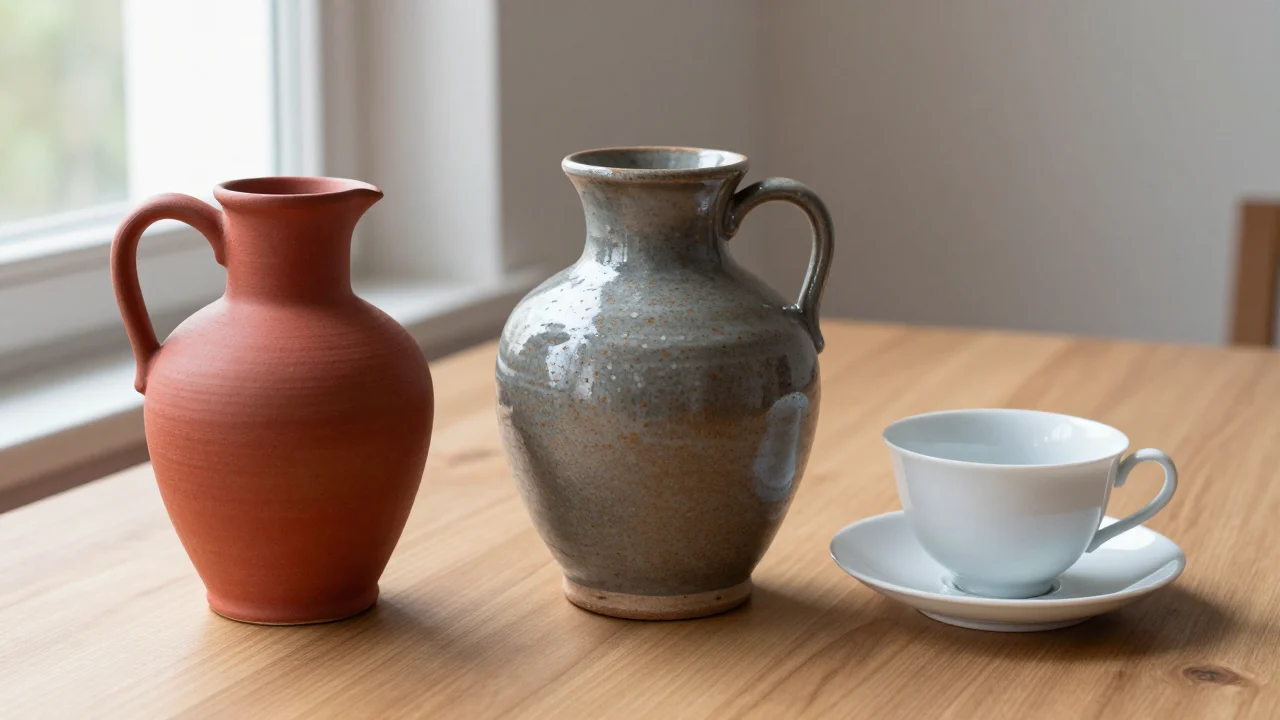
Types of Pottery: Earthenware to Porcelain
Read more: Types of Pottery: Earthenware to PorcelainEarthenware is porous, soft and usually colored; stoneware is dense and mostly opaque; porcelain is white and glows in light. Four home checks tell them apart.
-
Belleek Marks: Black, Green, Gold, Blue
Read more: Belleek Marks: Black, Green, Gold, BlueA Belleek mark’s colour gives its period: black before 1946, green 1946 to 1980, gold 1980 to 1993, blue 1993 to 2000. Ribbon and roundel narrow the years.
-
Birmingham Anchor Hallmark: 1773 to Today
Read more: Birmingham Anchor Hallmark: 1773 to TodayAn anchor hallmark means the Birmingham Assay Office tested the piece; the office has struck the anchor since 1773. The marks beside it give metal and year.
-
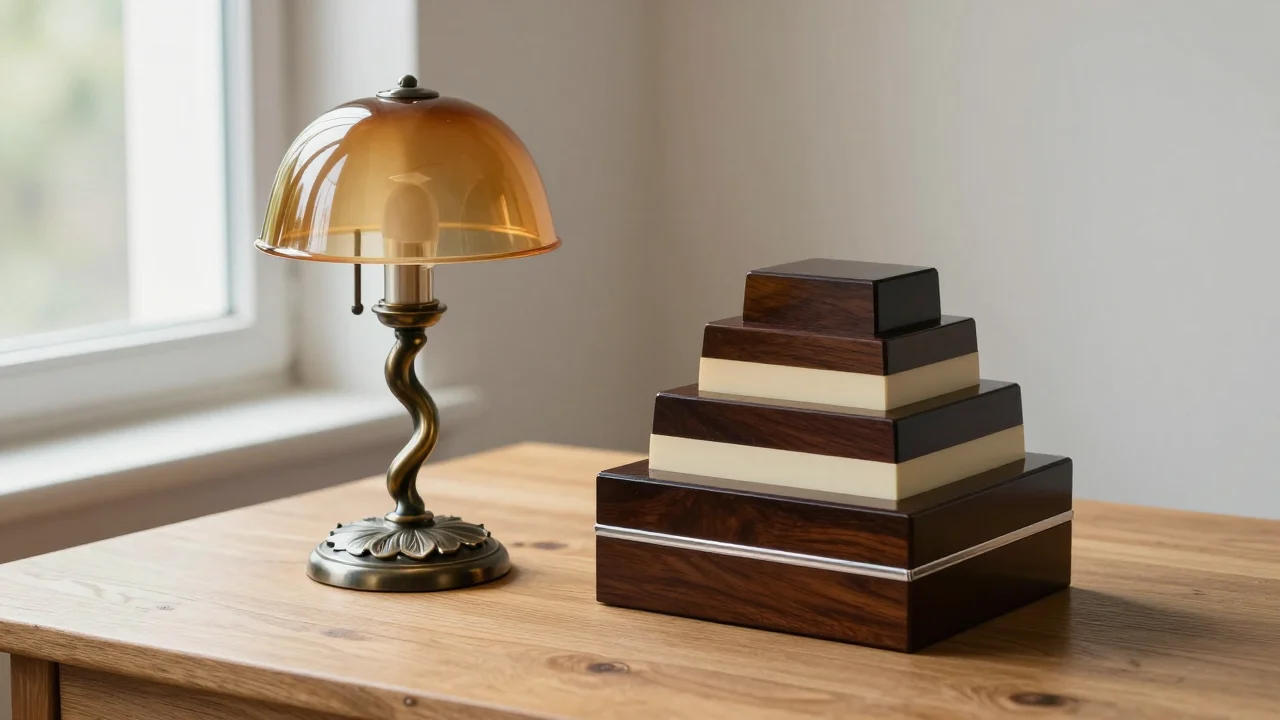
Art Deco vs Art Nouveau: 5 Telltale Signs
Read more: Art Deco vs Art Nouveau: 5 Telltale SignsArt Nouveau (1890s–1914) uses sinuous, plant-based curves; Art Deco (1920s–30s) uses cubism-influenced geometry. Test the line first, then the date.
-
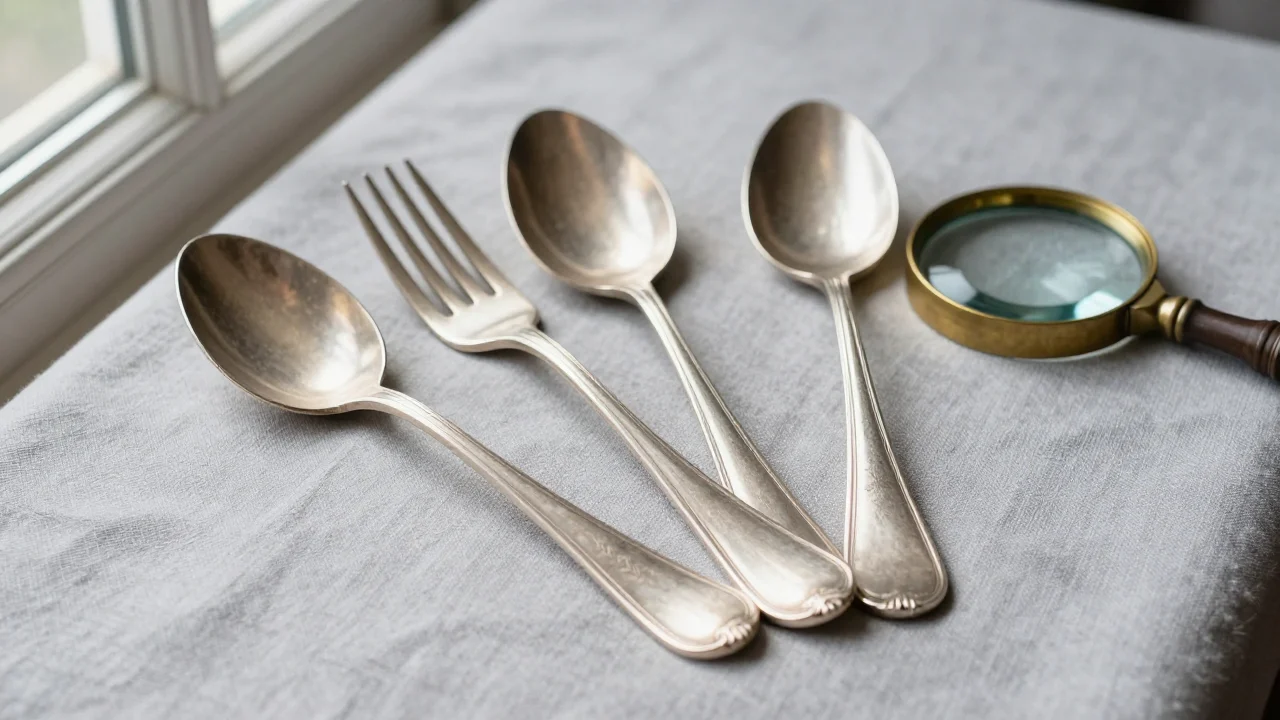
A1, Triple Plate, IS: Silverplate Marks
Read more: A1, Triple Plate, IS: Silverplate MarksA1 and Triple Plate are makers’ plating-grade claims on silverplate, not silver purity marks. IS stands for the International Silver Company, formed in 1898.
-
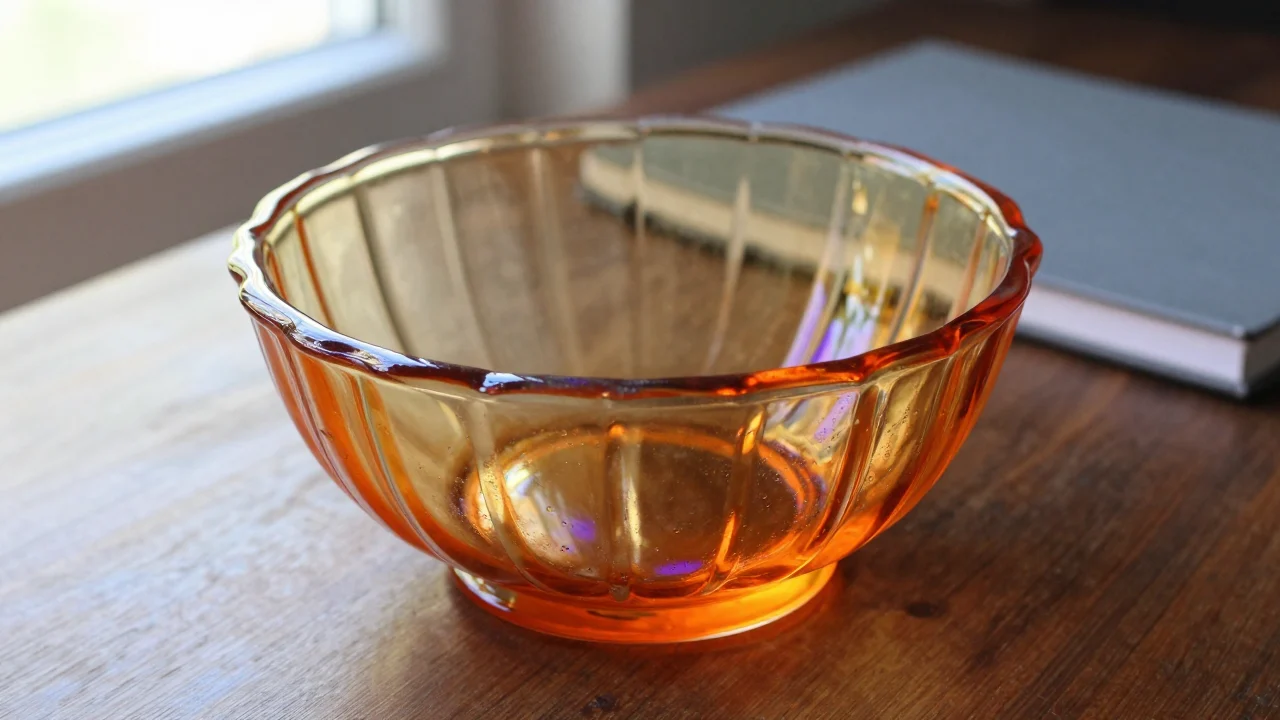
Northwood Carnival Glass N Mark Explained
Read more: Northwood Carnival Glass N Mark ExplainedAn underlined N inside a circle points to Northwood carnival glass, but the mark alone cannot authenticate or date a piece; check the pattern and shape too.
-
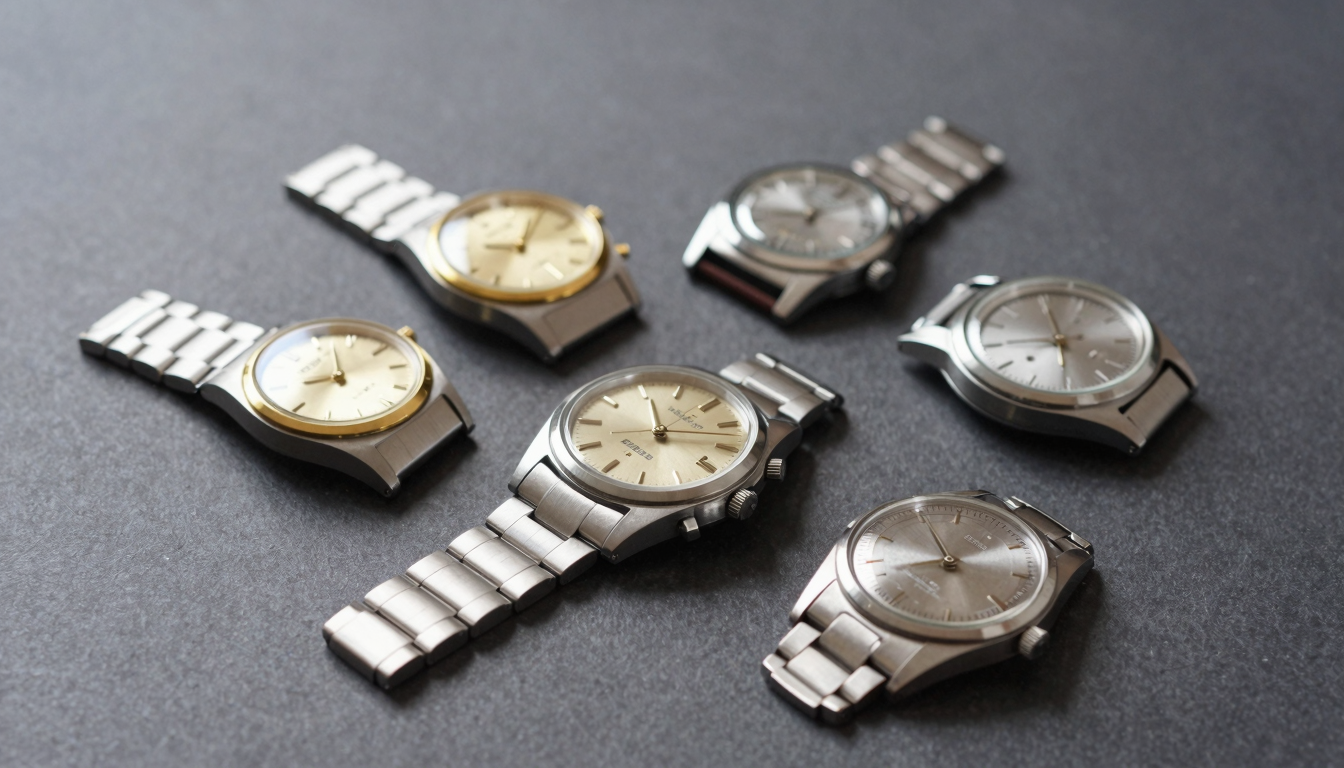
Vintage quartz watches worth money: which models actually sell
Read more: Vintage quartz watches worth money: which models actually sellThe vintage quartz watches worth money are first-generation and high-accuracy models. Rolex Oysterquartz, Seiko Astron, and Omega Megaquartz lead the market.
-
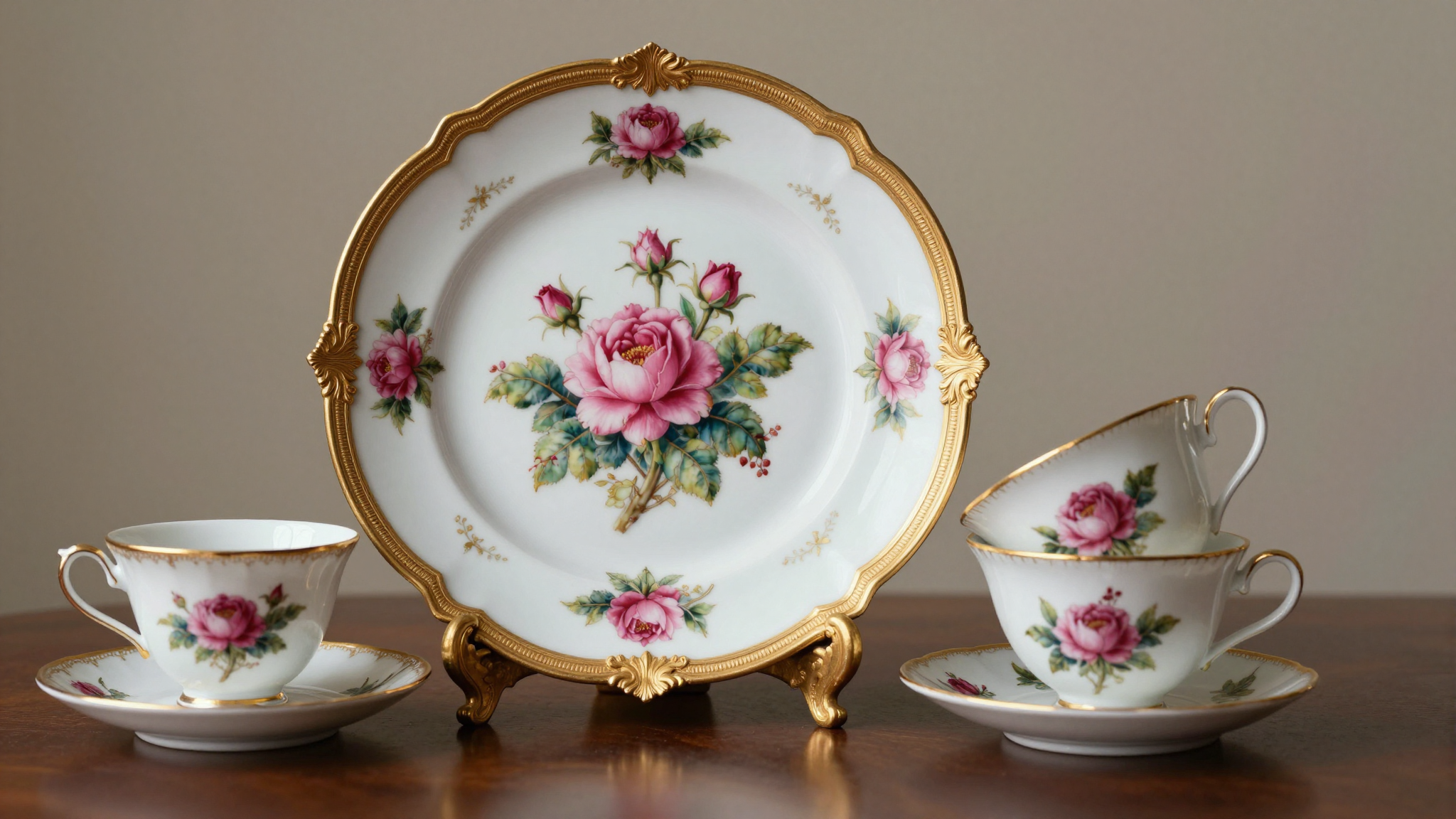
Carlsbad Austria porcelain marks: dating and identification guide
Read more: Carlsbad Austria porcelain marks: dating and identification guideA Carlsbad Austria mark dates your porcelain to 1891-1918, when Bohemian factories shipped fine china through the famous spa town.
-
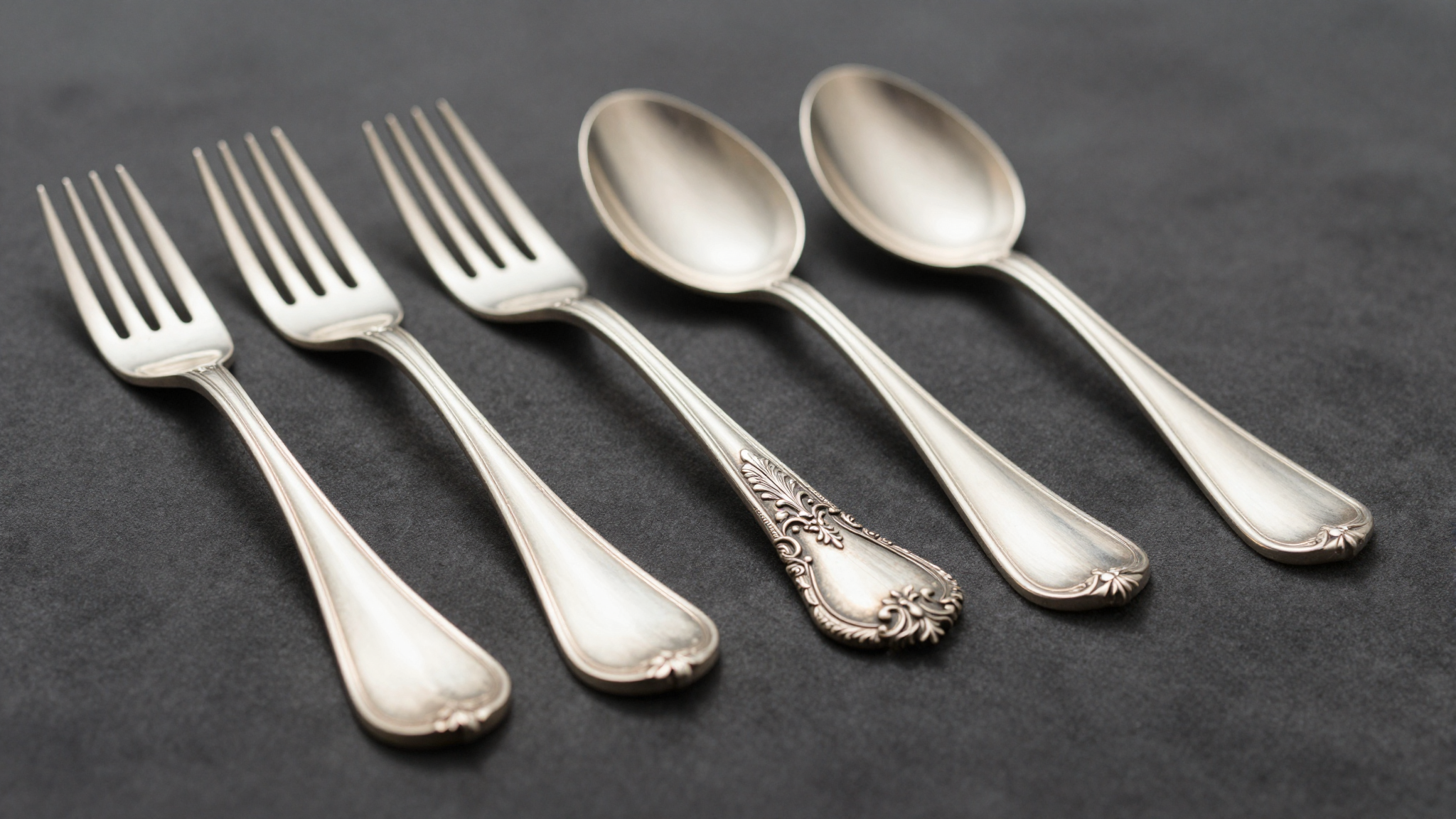
International Silver Co. sterling marks: a complete reference
Read more: International Silver Co. sterling marks: a complete referenceInternational Silver sterling marks pair the word STERLING with a pattern name or die number. The company formed in Meriden, Connecticut in 1898.
-
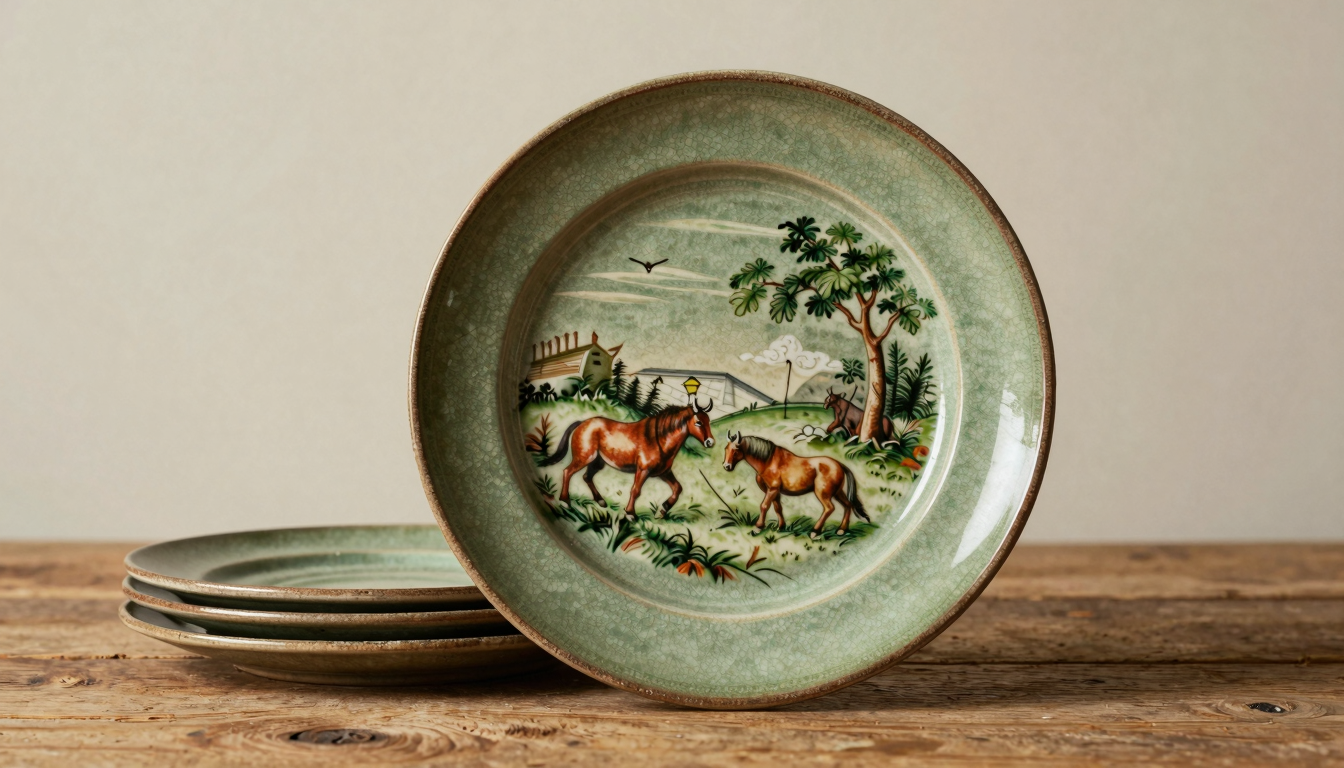
Buffalo China marks, patterns, and value: a collector’s guide
Read more: Buffalo China marks, patterns, and value: a collector’s guideBuffalo China began as Buffalo Pottery, founded in 1901 by the Larkin Soap Company. Most pieces carry a printed year, so dating is unusually easy.


